- Inspiration
- Bedroom
- How to Choose the Right Down Duvet and Pillow
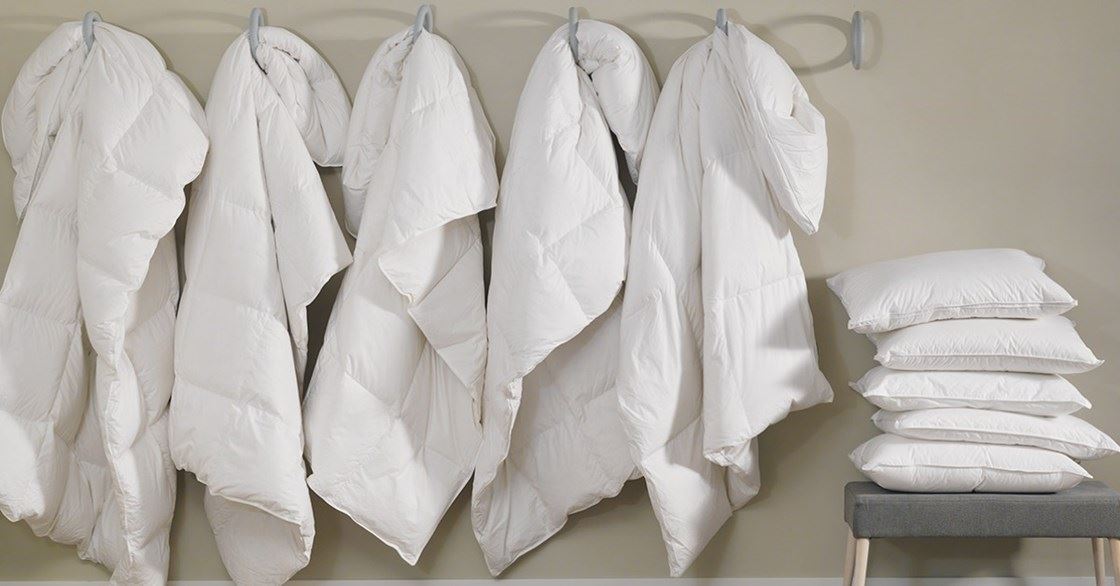
How to Choose the Right Down Duvet and Pillow
What Is Down and Why Should You Choose Down Products?
Down is a natural material known for its exceptional ability to breathe and insulate. It keeps moisture away from your body, so you stay warm and dry all night long. Lightweight and soft, down contours to your body and stores heat effectively.
We Guarantee Pure Down
All our down products are made according to the European standard EN 1164. This means our suppliers meet strict requirements, especially regarding the washing and cleaning processes of the down. Strict regulations on dust and cleanliness levels ensure our products are allergy-friendly.
Insulation Ability
How warm or cool your duvet should be depends on your personal preferences. Some prefer to sleep in a cool room and need a warm winter duvet. Others like a lighter duvet for warmer rooms or don’t feel the cold as much.
The quality of down is often measured by fill power – the ability of down to trap air and insulate.
At Hemtex, we use a simple heat rating system:
1 dot = cool duvet
7 dots = very warm winter duvet
Use our comfort guide to quickly find the duvet that suits your needs best: cool, all-season, or warm.
Down for All Seasons
Many people think of down duvets only in winter. But thanks to its breathable properties, down is also perfect for summer and year-round use. The mix of down and feathers varies between duvets:
A warm winter duvet usually contains more down and has a higher fill weight.
A light summer duvet often contains more feathers, making it airier.
Goose or Duck Down?
High-quality duvets are filled with down and feathers from waterfowl such as ducks or geese. Goose down is larger, fluffier, and provides better insulation. Duck down is smaller and provides less warmth. The larger the down cluster, the better its ability to retain warmth.
Down-to-Feather Ratio
The insulation performance of a duvet depends heavily on the down content.
More down = higher insulation.
Since feathers are heavier than down, the weight alone doesn’t indicate how warm a duvet is.
Examples:
Winter duvet 1000 g: 90% goose down / 10% goose feathers
All-season duvet 800 g: 70% duck down / 30% duck feathers
Summer duvet 500 g: 50% duck down / 50% duck feathers
Fill Weight
The higher the fill weight at the same down/feather ratio, the warmer the duvet. However, since feathers weigh more than down, the number of grams alone only tells part of the story.
Box or Channel Stitching?
Channel stitching (long vertical seams) makes duvets warmer, as it reduces heat loss at seams. Ideal for winter and all-season duvets. Box stitching is often used for lighter summer duvets, as it evenly distributes the fill and prevents clumping or shifting.
Down Pillows
Pillow Comfort
Comfort and height are key when choosing a down pillow. A high pillow contains more fill, often with a higher feather content for support. A low pillow has more down, making it softer and lighter.
Lifespan of Down Pillows
Pillows are used more intensively than duvets and should be replaced more frequently. The down in pillows loses volume more quickly, especially due to sweat, damp hair, or frequent washing.
Tip: Use a pillow protector to guard against moisture and extend its lifespan. A protector goes under the pillowcase and can be washed regularly at 60 °C.